A Barber Shop Retro Design for Modern Embroidery
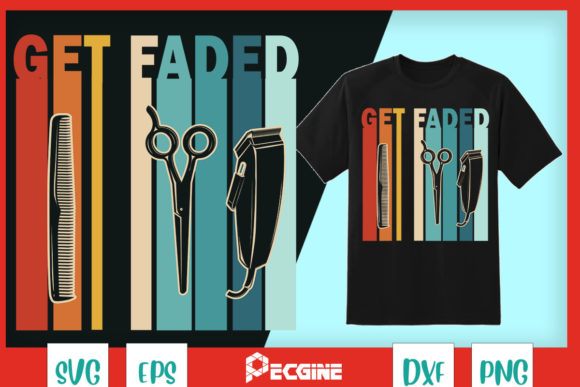
When I first opened the Get Faded Retro Barber file, my immediate reaction was a smile. It’s not just a design; it’s a vibe. This graphic carries a distinct, friendly nostalgia that feels both classic and current. The layout is confident, with a central focal point that promises excellent visual balance when stitched out. Its personality is perfect for the maker community—it speaks to a specific aesthetic without being overly niche.
The Natural Home for This Retro Barber Motif
This design feels destined for custom apparel. I envision it on the back of a heavyweight cotton sweatshirt, its clean lines and retro theme creating a statement piece that’s both wearable art and a conversation starter. It would be a standout item for a small shop’s merchandise or a craft fair table. But its potential stretches further. Imagine it as a beautifully embroidered patch on a canvas tote bag, or carefully stitched onto a chef’s apron for a barber-themed kitchen or a barbershop’s own branded gear. The theme also lends itself wonderfully to personalized gifts—a pillow cover for a barber’s lounge or a neatly stitched tea towel as a unique holiday gift for a client.
For a real-life scenario, let’s say I’m preparing a custom embroidered tote bag for a local barbershop’s anniversary. Using Get Faded Retro Barber, the goal is to create a premium, durable product that reflects their brand’s character. The design’s clear shapes and thematic elements would translate directly into a high-value finished product. Customers would react to the recognizable, fun theme, seeing it as more than just a bag—it’s a piece of their community identity.
Where Stitching Clarity Matters Most
In real-life embroidery situations, this machine embroidery design will perform well on stable, medium-weight fabrics. A sweatshirt, a tote bag, or a woven apron are ideal canvases. The provided file formats, like the SVG and DXF, are crucial for scaling and integration into digital product previews or printable mockups for an Etsy listing. For a baby item or delicate nursery decor, I’d proceed with caution—the design’s boldness might be better suited to an applique approach on thinner fabric to reduce stitch density.
However, its application requires some practical thought. On curved surfaces like caps, the larger, central elements should stitch out cleanly, but any extremely fine detailing in the corners could become challenging. If the design incorporates tiny lettering, that area will demand a careful test run on scrap fabric first. On dark fabric, thread color contrast is paramount; a mockup in black and white can help visualize the final contrast before committing thread.
Navigating the Tricky Embroidery Terrain
There are places where Get Faded Retro Barber should be used carefully. On highly textured or stretchy fabrics, a robust stabilizer strategy is non-negotiable to maintain the design’s crisp edges. Small hoop sizes might force compromises in scale, potentially losing some of the design’s impact. For products destined for frequent washing, like apparel, checking the stitch density in any filled areas is wise to ensure long-term durability. Layered garments, like a shirt with a pocket, require planning for how the design interacts with the garment’s construction.
This attention to detail directly affects visual appeal and customer trust. A clean, well-executed embroidery of this design on a handmade product conveys professionalism and care. It elevates the product’s value and strengthens brand consistency for a small business. As a gift, it feels thoughtful and specific, increasing its giftability and recognition.
Practical Notes from the Hoop
Before loading this embroidery file for a commercial embroidery project, here are my go-to steps. Always, always test on scrap fabric of the same type you’ll use for the final product. This reveals how the satin stitches or fill stitches behave with your chosen thread and stabilizer. Check the design at the intended hoop size on your software to inspect small details. Compare how it looks on both light and dark fabric backgrounds in a digital preview—this informs your thread palette.
A crucial, often overlooked step is confirming the licensing terms for this digital embroidery file. Before selling finished items or using it in commercial projects, verify the rights included with the download. The product category is Graphics, and it’s marketed for T-Shirt Designs, but its application is clearly broader. Ensure your use, whether for personal gifts or small shop products, aligns with the provided license.
The Final Impression: A Design with Purpose
Get Faded Retro Barber isn’t a generic graphic. It’s a design asset with a strong mood and clear purpose. For embroidery designers and creative entrepreneurs, it offers a ready-made theme that can be adapted across a range of products. Its success hinges on pairing it with the right project and executing it with embroidery best practices. When done thoughtfully, it creates a finished product with significant visual appeal and buyer engagement—a piece that feels both handmade and professionally designed.
My final judgment is optimistic. This design has the bones to be a standout in an embroidery portfolio, whether for a hobbyist making personalized gifts or a business owner building a line of boutique merchandise. Its retro charm is its biggest strength, and with practical attention to fabric, stabilizer, and scale, it will stitch out into something special. Just remember the basics: test first, check your licensing, and choose your project wisely. That’s how a good digital design becomes an exceptional embroidered reality.