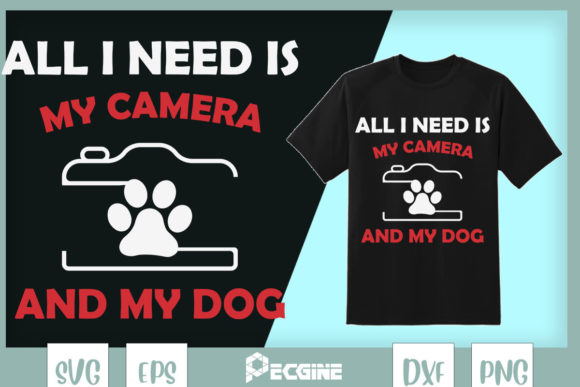
Craft Graphic Reviews: All I Need is My Camera and My Dog
In the trenches of digital publishing, a good graphic design asset isn’t just decoration; it’s a functional tool for building trust, clarity, and connection. When I evaluate a new piece, like the “All I Need is My Camera and My Dog” graphic, I immediately envision its place in a real editorial workflow. This first impression is one of authentic, artistic lifestyle. It carries a modern, clean, and subtly playful mood, leaning toward a feminine, creative, and independent vibe. It doesn’t scream “corporate” or “serious tech blog”—it whispers “passionate creator,” which is precisely the editorial tone many bloggers, small business owners, and creative entrepreneurs strive to convey.
The Editorial Mood: Where This Graphic Design Asset Fits
This design asset naturally supports content niches centered on photography, pet ownership, travel, personal storytelling, creative hobbies, and mindful living. It feels less like a loud promotional banner and more like an editorial accent—a visual that validates the reader’s own interests and aspirations. When a site visitor sees this graphic used as a blog featured image or a newsletter header, it immediately signals a content space dedicated to genuine, personal craft and lifestyle. This visual cue builds reader trust faster than a generic stock photo; it suggests a curator who understands their audience’s aesthetic.
Real-World Publishing Applications
From a practical blog designer’s perspective, this asset’s versatility is its greatest strength. The included files—typically a bundle containing SVG, PNG, DXF, and EPS formats in an instant digital download—mean it can be adapted across platforms. Here’s how I’d deploy it in a real publishing week:
- Hero Images & Website Headers: For a blog post titled “The Joy of Solo Adventures with Your Dog,” this graphic becomes a perfect, non-cluttered hero image, setting the tone before the first word is read.
- Pinterest Graphics & Social Media Previews: Its clean composition makes it an ideal base for a Pinterest pin. Adding a bold headline overlay can create a click-worthy graphic that stands out in a busy feed.
- Article Graphics & Editorial Layouts: Within a longer digital guide or article, scaled-down versions can serve as section dividers or visual accents, breaking up text and reinforcing the theme.
- Lead Magnets & Content Upgrades: Imagine a downloadable PDF worksheet titled “My Photography & Pet Journal.” This graphic as the cover design immediately elevates the perceived value of that free resource.
- Newsletter Banners & Email Graphics: For a weekly update from a creative entrepreneur, this asset in the header creates consistent, branded visual identity without needing custom design each time.
- Digital Product Covers: If you’re selling an eBook or a Canva template pack about pet photography, this design provides a professional, thematic cover image.
- Affiliate Content Visuals: On a page reviewing camera gear or dog travel accessories, this graphic as a supporting visual feels authentic and integrated, not like a blatant ad.
Supporting Content Performance & Professional Polish
Using a cohesive graphic design asset like this systematically across your content does more than make things look nice. It directly impacts performance. It creates a stronger first impression, reducing bounce rates. It establishes a clearer visual hierarchy on a page, guiding the reader’s eye. For clickable elements like Pinterest pins or digital ad graphics, a familiar, appealing base graphic can improve click-through potential. Most importantly, it builds more consistent branding. When your blog graphics, downloadable printables, and social media posts share a common visual language, you cultivate improved reader trust and stronger category recognition. Your site feels less like a scatter of ideas and more like a coherent, professional publication.
Optimal Use Cases for Maximum Impact
To get the most from “All I Need is My Camera and My Dog,” focus on applications where its artistic, clean style can shine:
- Hero images on blog posts and landing pages.
- Large, standalone article thumbnails in category archives.
- Tall, vertical Pinterest pins with added text.
- Blog graphics that introduce a post’s core theme.
- Subtle editorial accents in sidebars or between long-form content sections.
- The cover visuals for content upgrades like digital guides and worksheets.
- Category visuals for “Photography” or “Pet Lifestyle” blog sections.
- Newsletter headers for regular dispatches.
- Social media preview images for linked blog posts.
Publisher Notes: Where to Use With Care
Even the best assets have boundaries. This graphic’s detailed, potentially intricate linework means it should be used carefully in very small mobile thumbnails, where it might lose definition. Avoid placing it on text-heavy blog images where the design could compete with readability. It may not suit low-contrast backgrounds unless the file is edited for clarity. Its specific mood means it’s less ideal for serious professional niches like finance or corporate B2B content, or for websites that demand an extremely minimal, austere visual system. In a busy layout with multiple competing colors and shapes, its subtle message could get lost.
Essential Pre-Launch Checks for Design Assets
Before you commit this graphic to a live post or product, run these real-world tests:
- Test it on both desktop and mobile screens to ensure scalability.
- Check how it looks as a 150x150 pixel thumbnail in your blog’s sidebar.
- Preview it inside your actual blog layout template, beside your typical headline text.
- Test it with different font styles: try overlaying a serif font for elegance, a sans serif for modernity, or a script font for extra playfulness to see the aesthetic pairing.
- Check contrast and readability if you add text directly onto the graphic.
- Review the PNG file size for web performance—compress it properly if needed for faster page loads.
- And crucially, always confirm the commercial licensing terms before using it on monetized websites, affiliate pages, or within paid content products. Most bundles from creative marketplaces include a commercial license, but verifying this is a non-negotiable step for professional publishers.
Ultimately, “All I Need is My Camera and My Dog” is more than a cute graphic; it’s a strategic design asset for digital publishers. It helps you craft visual communication that feels intentional, supports a specific editorial mood, and elevates the perceived quality of everything from your blog graphics to your lead magnets. By integrating it thoughtfully into your web design and content marketing, you build a visual identity that resonates with a creative audience, making your entire content ecosystem look polished, clickable, and trustworthy.