Evaluating the Vintage Bow Deer Hunting Design for Real Embroidery Projects
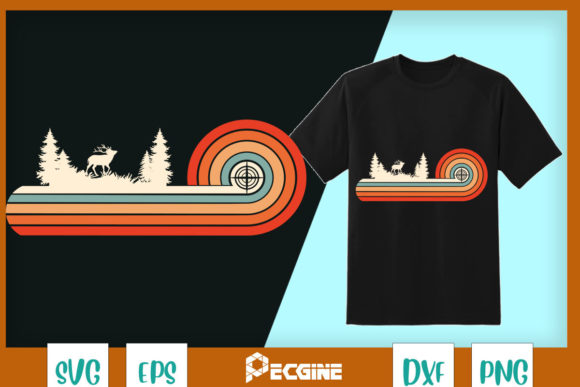
When I first opened the Bow Deer Hunting Vintage Retro Archery design, my immediate thought was not about its technical specs, but about its atmosphere. It has a genuine, nostalgic personality that feels pulled from an old hunting club patch or a faded camp shirt. The central silhouette of the deer with the bow and arrow isn't just an image; it's a story. This isn't a sleek, modern graphic—it's a design with character, and that character is its greatest asset for makers looking to create products with a specific mood.
Where This Design Naturally Belongs
This graphic feels destined for projects where rustic charm and a touch of heritage are the selling point. I envisioned it instantly on a heavyweight cotton sweatshirt for someone who appreciates the outdoors, or as a bold statement on a canvas tote bag for a craft fair. Its vintage aesthetic lends itself perfectly to items meant to feel personal and timeless. Think of a father-son matching set of caps, a custom apron for a cabin kitchen, or a framed embroidered pillow cover in a lodge-style den. The theme is strong, so it naturally attracts a certain customer—one looking for that retro, masculine, or nostalgic vibe.
Considering Real Stitching Performance
Moving from the visual impression to the practical embroidery table, a few considerations come to mind. The design has a mix of elements: the main deer silhouette, the bow, and the text. The level of detail here is moderate, which is good. It avoids being overly dense, which can lead to heavy stitch saturation and fabric puckering on softer materials like t-shirts. On stable fabrics like twill for a cap or denim for a jacket, it should stitch out cleanly.
However, that text—“Bow Deer Hunting”—requires attention. In embroidery, small lettering can be tricky. The stitches need to be crisp to maintain legibility, especially on textured fabrics like a sweatshirt. I would strongly advise testing this section on a scrap piece of your intended project fabric first. Check the thread color contrast against your background material—a dark thread on a light fabric will make it pop, but the reverse on a dark garment needs careful color selection to avoid the letters disappearing.
A Scenario: Crafting a Holiday Gift Basket
Let’s picture a real-life application. A client requests a personalized holiday gift for a hunter in their family. You decide to create a coordinated set: an embroidered tea towel for the kitchen, a patch for their gear bag, and a baby onesie for a grandson (with a playful “future hunter” twist). Using the Bow Deer Hunting Vintage Retro Archery design across these items creates a cohesive, thoughtful gift suite.
On the tea towel, stitched in a simple running stitch or satin stitch outline, it would look classic and utilitarian. As a dense fill stitch patch, it becomes a sturdy emblem. On the baby item, scaled appropriately and stitched with soft thread on a stable cotton blend, it becomes a charming, family-themed heirloom. This versatility is key. The design acts as a strong visual anchor that can adapt to different product types, increasing its value for your craft business.
Caution Areas and Designer Notes
Not every project is ideal. Due to the text and the interconnected lines, I would be cautious about stitching this very small. Trying to cram it onto a tiny hoop for a delicate piece might compromise clarity. Similarly, on highly stretchy fabrics without proper stabilizer, the interconnected elements could distort. Always match your stabilizer to your fabric—a cutaway for stretchy knits, a tear-away for stable wovens.
For commercial use, like selling embroidered caps at your small shop or creating digital mockups for an Etsy listing, this design’s strong theme helps with customer recognition and engagement. It clearly communicates its niche, which helps products sell themselves. But a crucial professional step: always confirm the licensing terms for the digital file before selling finished items. While the included file formats like SVG and PNG suggest adaptability for both digital and stitched projects, the rights for commercial product creation should be explicitly clear.
- Test first on scrap fabric identical to your final product.
- Evaluate thread color for both light and dark background mockups.
- Check the stitch density in your embroidery software before hooping; adjust if needed for thin fabrics.
- Ensure the hoop size accommodates the design without needing to shrink the text excessively.
- Consider using it as an applique design base for a simpler, textured look on thick materials.
The Final Impression: Value Beyond the File
Ultimately, reviewing Bow Deer Hunting Vintage Retro Archery from a maker’s perspective, its value lies in its emotional resonance. It’s a design that doesn’t just decorate a product; it gives a product a story. That storytelling quality enhances the perceived value of your handmade item, builds brand consistency if you specialize in rustic goods, and increases its giftability. It feels authentic.
For embroidery designers and creative entrepreneurs, this graphic is a solid asset. It’s straightforward to work with if you approach it with practical prep—testing, proper stabilization, and thoughtful fabric pairing. It won’t be right for a delicate lace blouse, but it will be perfect for that rugged tote bag, that personalized camp pillow, or that boutique sweatshirt that speaks directly to someone’s hobby or heart. That’s the kind of design that turns a simple embroidery project into a meaningful finished product.