From Graphics to Brand Story: Evaluating a Hand Drawn Vector Pattern
Today, I'm reviewing a hand drawn vector pattern from a new perspective: as a foundational graphic design asset for real small business branding. My client is 'Wildflower Apothecary', a local handmade soap and skincare brand looking to refresh its visual identity. The packaging, labels, and promotional materials all need a cohesive, authentic feel. This pattern isn't just a digital product; it's potential texture for their entire brand world.
First Impression: An Authentic, Handmade Mood
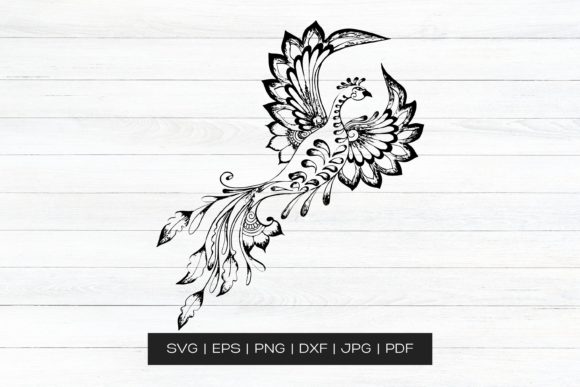
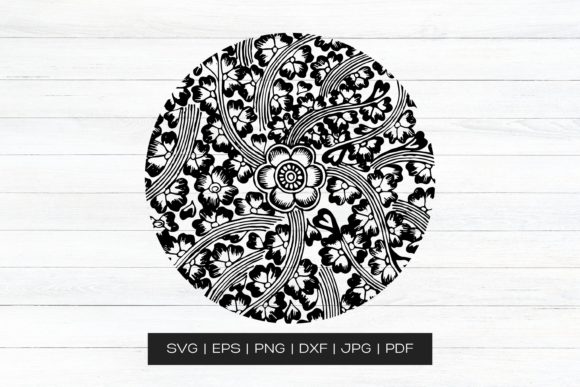
Upon opening the file, the immediate impression is one of organic authenticity. The hand drawn quality suggests care, craftsmanship, and a human touch. This isn't sterile or corporate. For a brand like Wildflower Apothecary, it instantly communicates a handmade business ethos. The pattern feels friendly, soft, and slightly rustic—perfect for a brand rooted in natural ingredients. It leans decorative without being overly feminine or festive, offering versatility for a range of local businesses, from boutique florists to artisan food labels.
Building a Consistent Brand Identity from One Asset
A single, well-crafted pattern can be the thread that ties a brand together. For my client, this hand drawn vector pattern becomes more than clipart; it's a reusable brand element. I envision it creating a visual hierarchy across their touchpoints:
- Product Labels: As a subtle background texture on their soap wrappers, it elevates the shelf appeal from generic to premium.
- Packaging Design: As an accent on gift boxes or tissue paper, it strengthens the unboxing experience.
- Promotional Visuals: Tiled as a hero graphic on their website banner or social media graphics, it builds immediate recognition.
- Print Collateral: On thank-you cards, business cards, and flyers, it ensures every piece feels part of the same family.
This consistency is crucial for customer trust. When a local business presents a polished brand identity, it signals professionalism and reliability.
The Power of Application: Where This Pattern Works Best
In practical commercial design, this asset’s flexibility is its greatest strength. For product sellers and creative entrepreneurs, it supports business presentation in key areas:
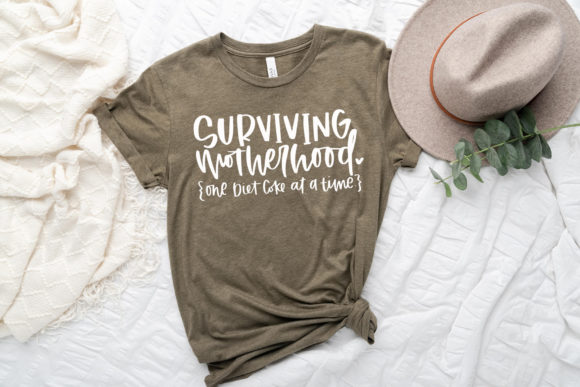
- Product Mockups & Printable Designs: Applying the pattern to mockups of coffee cup mugs, pillows, or t-shirts helps visualize product lines before production.
- Seasonal Campaign Graphics: A floral or botanical hand drawn pattern can be adapted for holiday packaging or limited-edition labels, creating a stronger emotional connection.
- Decorative Brand Elements: On menu graphics for a cafe, price lists for a home decor shop, or signs for a boutique, it acts as a unifying decorative thread without overwhelming information.
- Social Media & Web Design: As a background in promotional ads or editorial design, it provides a textured canvas that makes product photos and text stand out.
A Note on Shelf Appeal and Product Recognition
For physical products, the pattern can be a silent salesperson. On a crowded shelf, a soap bar with a distinctive, hand drawn label background catches the eye. It tells a story before the customer reads a word. This is where investing in quality design assets pays off for local business owners.
Practical Considerations for Professional Branding
As a brand designer, my evaluation always includes real-world tests before committing an asset to client work.
- Test on Mockups: I overlay the pattern on actual packaging mockups at the correct scale. How does it look on a small sticker versus a large poster?
- Check Color & Contrast: I test it with the brand’s color palette. Does it work on both light and dark backgrounds? I always preview a black and white version for potential uses in low-contrast situations.
- Font Compatibility: I place key text—like the brand name and ingredients—over the pattern. Does it compete with a serif font? Does it complement a clean sans serif or a playful script? The pattern should support, not fight, the typography.
- Review Technical Quality: For plotter cutting, vinyl decals, and magnets, the vector editability (if provided as an SVG design) is critical. For print, I check the PNG transparency and confirm the resolution is suitable for physical product sales.
- The Essential Commercial License: Before any use in branding or product sales, I confirm the licensing allows for commercial design. This is non-negotiable for professional use.
Strategic Limitations: Where to Use This Asset Carefully
Even the best patterns have boundaries. For this hand drawn style, caution is needed in specific contexts:
- Very Small Labels: On tiny ingredient lists or legal information areas, a dense pattern can reduce readability. Use it sparingly or as a border.
- Crowded Layouts: If the packaging already has extensive text or multiple graphics, adding a full pattern can create visual chaos.
- Minimalist Luxury Brands: If the brand voice is sleek and ultra-premium, a decorative hand drawn element might contradict that mood.
- Low-Contrast Backgrounds: If the pattern colors are too similar to the text color, the visual hierarchy breaks, harming communication.
The key is intentional editing. Sometimes, using a small fragment of the pattern as an accent on a hang tag is more effective than filling the entire space.
Final Designer’s Verdict: A Versatile Tool for Local Businesses
This hand drawn vector pattern is a strong candidate for brands built on authenticity. For my skincare client, it provides the textured, human feel they need to differentiate themselves in a market of mass-produced products. Its application across crafts, graphics, and physical products—from magnets to packaging—makes it a cost-effective asset for a small business building a comprehensive brand identity.
When used strategically, it transforms from a simple graphic into a brand language. It helps a local bakery feel more welcoming, a candle brand feel more artisanal, and a children’s product feel more playful. The ultimate value lies not in the file itself, but in how it’s deployed to create a cohesive, trustworthy, and memorable business presentation. For marketers and packaging designers, it’s a tool that, with careful application, can turn good packaging into great storytelling.