The Lime Screw Seamless Pattern: A Designer's First Impression
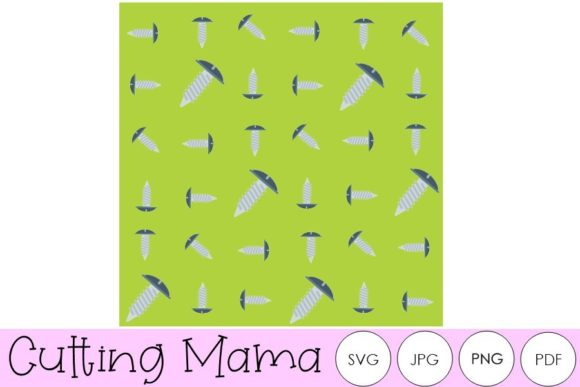
As a designer who stitches for clients, my first instinct with any new design is to imagine it stitched out. When I see the Lime Screw Seamless Pattern, a clear mood hits me: industrial-chic and modern with a playful, masculine edge. That lime green background isn't a quiet, dusty color—it’s vibrant. It creates energy. The screw motif itself is graphic and bold, not overly delicate. This tells me it's a design that wants to be seen, not just noticed. Its seamless nature suggests versatility; it's meant to cover an area, to be a statement background rather than a solitary icon.
Where This Pattern Finds Its Natural Home
In my studio, I’m immediately thinking of a custom embroidered tote bag for a client who works in construction or engineering. This pattern would be perfect as a full-panel design on the bag’s front, creating a unique, personalized piece that feels both professional and personal. It’s the kind of gift a son might want for his dad on Father’s Day—not overly sentimental, but clever and thoughtfully designed.
Beyond that specific scenario, the applications are broad. As a seamless pattern, it excels as a backdrop on apparel like sweatshirts or caps, especially for a small business branding merch for a tool shop or a maker-space. It could create a striking, modern border on a pillow cover for a den or garage-turned-man-cave. On a kitchen towel or apron, it adds a fun, unexpected graphic twist. The key is that it leans contemporary and graphic, so it pairs well with products that have a clean, modern aesthetic.
Performance in Real-World Embroidery Projects
How will this machine embroidery design behave once it’s loaded into the machine? The seamless, repeating nature is a benefit for coverage, but it demands consideration. On a large area like a tote bag, you need to ensure your stabilizer is robust to handle the stitch density across the whole field. The lime background will likely be a fill stitch area. On light fabrics, that vibrant color will pop beautifully. On darker fabrics, you’ll need to think about thread color contrast—perhaps testing a slightly brighter or deeper lime to ensure the background doesn’t get lost.
For apparel like t-shirts or baby clothes (think a cool, graphic bib for a dad’s little helper), the stitch density is crucial. You’d want to test this embroidery file on scrap fabric of the same type first. A dense fill stitch on a lightweight or stretchy fabric can lead to stiffness or puckering if not stabilized correctly. Conversely, on a sturdy sweatshirt or denim jacket, it would hold up beautifully and add significant product value.
The Caution Zones: Where to Use Care
This pattern’s strength is its bold, graphic nature, but that comes with a few watch-outs. I would be cautious using it in very small hoop sizes. The screw detail and the seamless repetition might lose clarity if condensed too much. Tiny embroidered patches might not be its best application.
Similarly, on highly textured fabrics or curved surfaces like the crown of a cap, the detailed corners of the screw motifs need to stitch out cleanly. A test run is non-negotiable here. Also, while the description suggests it makes a wonderful backdrop on a tumbler, remember that embroidery on cylindrical items requires careful hooping and stabilization to keep the pattern aligned and smooth. It’s doable, but again, test first.
For commercial embroidery projects or for Etsy sellers producing multiple units, consistency is key. This pattern, with its distinct color and shape, will look professional and cohesive across a product line, building brand consistency. However, always confirm the licensing terms before selling finished products or using it in digital product previews for your craft business.
Impact on Customer Appeal and Practical Designer Notes
From a buyer’s perspective, this design feels intentional. It doesn’t look like a generic clip-art graphic; it has a visual personality. That boosts customer trust and engagement. A handmade product featuring this pattern feels custom-made, not mass-produced. Its giftability is high, especially for Father’s Day, weddings (for a groom’s gift), or personalized products for niche interests.
My final practical notes as a reviewer: always, always stitch a sample. Check how the lime background interacts with your chosen thread colors—sometimes digital previews differ from real stitchouts. Inspect the small details in the screw design to ensure they’ll be clear in your chosen hoop size. Compare how it looks in a simple black-and-white mockup to gauge its shape strength without color. And finally, consider its use for both personal gifts and small shop merchandise—it has the versatility for both, but your preparation and testing will determine the final quality of the finished product.
The Lime Scream Seamless Pattern is a confident, modern design asset. Its success in your embroidery project hinges on matching its bold character with thoughtful, professional execution.