A Real-World Look at the 'Scooter' Embroidery Design
When you download an embroidery design like 'Scooter', it's not just a file—it's a potential project, a product, or a gift waiting for your needle and thread. As a designer who uses these files daily for client work and my own small business, my first question is always: how will this actually perform when stitched? Let's walk through that practical evaluation.
The Design's Personality: Simple, Clean, and Nostalgic
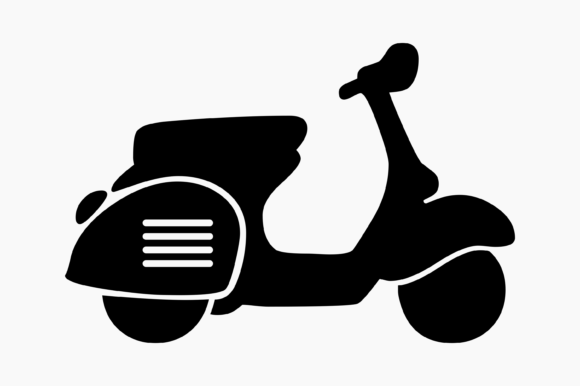
The 'Scooter' graphic hits you with a specific mood right away. It's playful, nostalgic, and uncomplicated. The shape is clean, with lines that suggest movement without being overly detailed. For embroidery, that's a great starting point. A design with too many tiny interior lines or dense fills can become a muddy, thread-heavy mess on fabric. This one, however, has a personality that leans toward simplicity. It feels like it belongs on a child's item, a casual accessory, or a gift that says "remember fun times." That visual personality immediately steers me toward certain project types.
Where This Design Shines in Real Projects
I picture the 'Scooter' design coming alive on a few specific items. Imagine a custom baby blanket or a toddler's sweatshirt. The theme is perfect. It would also be a charming, unexpected detail on a kitchen towel or an apron for someone who loves vintage style. For my craft business, I'd consider it for a simple tote bag—a graphic that's recognizable but not overwhelming. As a personalized gift, stitching this onto a pillow cover for a grandparent who restored old scooters would create a fantastic, meaningful item.
The fact that it's provided as a ready-to-print cut file in formats like SVG, PNG, EPS, and DXF is a significant plus for workflow. This means I can easily resize it without losing quality, which is crucial. I might use a large version for the center of a blanket or a small, subtle one on the corner of a cap. For commercial embroidery projects, having these vector formats allows for clean integration into other design assets or printable mockups for my Etsy listings.
Thinking Through Stitching and Customer Appeal
On the machine, I anticipate this design stitching out cleanly. The open areas and likely use of satin stitches for the main body should create good visual clarity. On a dark fabric, like a navy sweatshirt, I'd plan for bright, contrasting thread colors to make that scooter shape pop. On a light fabric, like a beige tote, I might use richer tones for depth. The finished product’s value isn't just in the stitching; it's in the entire handmade presentation. A well-executed 'Scooter' on a quality item feels professional, increases customer trust, and has high giftability—it's specific enough to feel personal.
Caution Zones: Where to Test Before You Stitch
No design is perfect for every scenario. With 'Scooter', my practical concerns would focus on scale and fabric choice. First, small hoop sizes. If I shrink this down too much for a tiny patch or a baby hat, those cleaner lines might still become too dense if the stitch settings aren't adjusted. I'd always test a small version on scrap fabric first.
Textured or stretchy fabrics also demand attention. Stitching this onto a knit cap or a stretchy polo shirt requires the right stabilizer to prevent distortion of that simple shape. Similarly, on very thin fabric, a design with any solid fill areas could pucker if the stitch density is high. My rule is: test it on the actual fabric you plan to use for the final product. Another consideration is detailed corners—the points on the scooter’s frame. On some machines or with certain threads, these can need tweaking to stay sharp.
The Impact on Your Business and Brand
For embroidery designers and small shop owners, using a design like this isn't just about one item. It's about consistency and engagement. If your brand leans toward playful, retro, or family-oriented products, 'Scooter' fits neatly into that lineup. It can help create a recognizable theme across your Etsy shop or craft fair table. For digital product sellers, these multi-format files are valuable design assets themselves. However, a crucial step is always confirming the licensing before selling finished items or digital products. The product description notes it's a graphic for uses like T-Shirts, but I would verify the specifics for commercial use.
Practical Designer Notes Before You Hoop It Up
My workflow for a new design like this always follows a few key steps. They save time, thread, and prevent unhappy customers.
- Scrap Fabric Test: Always stitch a sample. Check for thread color contrast, stitch density, and how small details render.
- Background Check: Run the design in a software mockup on both light and dark backgrounds to plan your thread palette.
- Hoop Size Confirm: While the design is resizable, know your machine's optimal hoop size for the final product dimension.
- Stabilizer Strategy: Match your stabilizer to the fabric—no guesswork. A simple design on a complex fabric still needs proper support.
- Commercial Check: If you're selling the embroidered patch or apparel, ensure your use aligns with the product's license.
Ultimately, the 'Scooter' embroidery file presents a solid opportunity. It’s a Crafts and Graphics product with a clear theme and adaptable formats. Its success in a real embroidery project—whether a personalized gift or small shop merchandise—depends entirely on your thoughtful application. By evaluating its personality, matching it to the right product, and navigating the practical stitching considerations, you can turn this digital file into a finished product that genuinely delights.