A Tool-Based Text Embroidery Design for Fathers
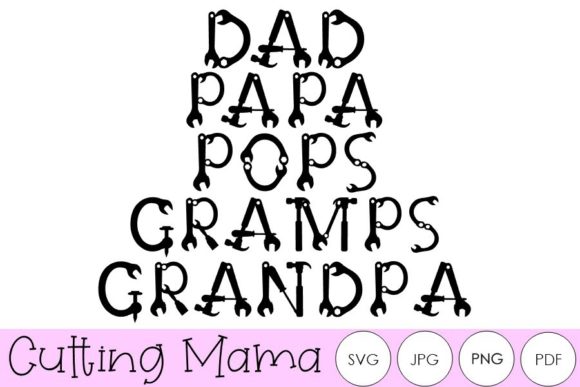
Whenever I’m looking at a new embroidery design, especially one themed for gifts, I immediately try to picture it stitched out on a real project. I'm not just thinking about the file itself, but how it will look on fabric, how it will feel as a finished product, and what kind of reaction it might get from a customer or gift recipient. So when I saw the Dad Grandpa Papa Gramps Pops in Tools design, my mind went straight to a practical scenario: a client had requested a custom embroidered denim tote bag as a Father's Day gift, wanting something masculine, clever, and personal.
First Impressions: A Clever Blend of Theme and Typography
The core idea here is immediately strong. Spelling out familiar fatherly names using tool illustrations isn't just decorative; it creates a narrative. The mood is nostalgic, hands-on, and appreciative. It doesn’t shout; it quietly suggests a personality—someone who fixes things, builds things, or simply has that reliable, practical vibe. For an embroidery designer, this is a great starting point because the theme does half the work for you in connecting with an audience.
The layout, with the words spelled out in individual tools, gives it a distinct visual personality. It’s more illustrative than a simple text block. This means the finished embroidery will have a patch-like, graphic quality. It naturally belongs on items where that graphic feel is valued: sturdy tote bags, workwear-inspired aprons, heavyweight sweatshirts, or even as a bold statement on a pillow cover in a workshop-themed room.
Where This Design Shines in Real Projects
In real-life embroidery, a design like this performs best when it’s given a canvas that matches its character. I’ve found it works wonderfully on:
- Custom Apparel: A left-chest placement on a polo shirt or a centered design on a heavyweight cotton sweatshirt gives a professional, personalized gift feel.
- Tote Bags and Aprons: These are perfect because they are utilitarian items themselves. The tool theme aligns perfectly with the product’s use.
- Home Goods: Embroidered on a durable pillow cover or a kitchen towel, it becomes a lasting piece of decor, especially for a "dad's" space.
- Holiday and Gift Items: This is, of course, a prime candidate for Father's Day, but also for birthdays or "just because" gifts from a craft business. Its specificity ("Dad," "Grandpa," etc.) makes personalization inherent.
- Patches: Given its illustrative nature, it could be stitched out as a standalone patch, offering versatility for customers to apply to their own items.
The value here for a small business owner or Etsy seller is clear. It’s a design that tells a story, which enhances the perceived value of the handmade product. A customer isn’t just buying a sweatshirt; they’re buying a sentiment. That builds trust and engagement. For digital product sellers, this design is a strong commercial embroidery file because it caters to a common, evergreen gift niche.
Considerations for Stitching and Application
While the concept is robust, the execution in embroidery requires some thoughtful planning. The fact that the words are formed from detailed tool shapes means there are specific areas to watch.
I would advise caution on:
- Very Small Hoop Sizes: If the design is scaled down significantly, the fine details of the tools and the small lettering within them might lose clarity. It's best suited for a medium to larger placement.
- Highly Textured or Stretchy Fabrics: Fabrics like loose knits or rough textures can distort the clean lines of the tools. A good, appropriate stabilizer is absolutely key here.
- Dark Fabric Backgrounds: The design likely relies on the contrast of the tool shapes. On dark fabrics, you must choose thread colors that pop and consider possibly adding a lighter backing or using techniques to ensure the details remain visible.
- Curved Surfaces like Caps: Applying it to a curved baseball cap seam might challenge the linear layout of the words. It could work, but a test on scrap fabric mimicking the curve is essential.
- Items for Frequent Washing: On things like kitchen towels or often-worn apparel, the density of the stitches in the tool shapes should be checked to ensure durability over time.
Practical Designer Notes Before You Hoop It
Before running this Dad Grandpa Papa Gramps Pops in Tools design on a final product, here’s my standard practice checklist:
- Test on Scrap Fabric First: Use the same fabric and stabilizer you plan for the final project. This reveals how the detail holds up and if any stitch areas are too dense.
- Check Thread Color Contrast: Run a test in both light and dark thread schemes, even creating simple black and white mockups, to see which version has the best visual impact for your intended background.
- Review the Design in Your Software: Look closely at the small details—the corners of the tools, the tiny letters spelling the names. Ensure your machine settings will handle them cleanly.
- Confirm Your Hoop Size: Make sure the design fits comfortably in your hoop at the size you want, allowing space for the stabilizer.
- Understand the Licensing: As a craft business owner, always confirm the license terms of the graphics file. Is it for personal use only, or does it allow commercial use on finished products you sell? This is a critical step.
Remember, a successful embroidery project isn't just about the stitch-out; it's about the entire finished product's appeal. This design, when stitched well on the right item, elevates a simple gift into a thoughtful, conversation-starting piece. It feels professional because the theme is coherent and executed with a clear idea.
The Final Product: A Design That Builds Connection
In my imagined denim tote bag project, the final result was exactly what the client wanted. The Dad Grandpa Papa Gramps Pops in Tools embroidery had a handmade presentation that felt both rugged and sentimental. The customer's engagement was immediate—they recognized the theme and appreciated the craftsmanship. For a creative entrepreneur, that’s the goal: a design asset that not only looks good stitched out but also builds a connection, whether it’s for a holiday gift, boutique product, or your own craft business merchandise.
As a reviewer, my judgment is practical: this is a solid, theme-driven embroidery design. Its strength is in its clear concept and illustrative layout. Its success in your project will depend on your careful application of the standard embroidery best practices—choosing the right fabric, using proper stabilizer, and testing beforehand. When those boxes are checked, it becomes a reliable and appealing file for a wide range of heartfelt, handmade products.